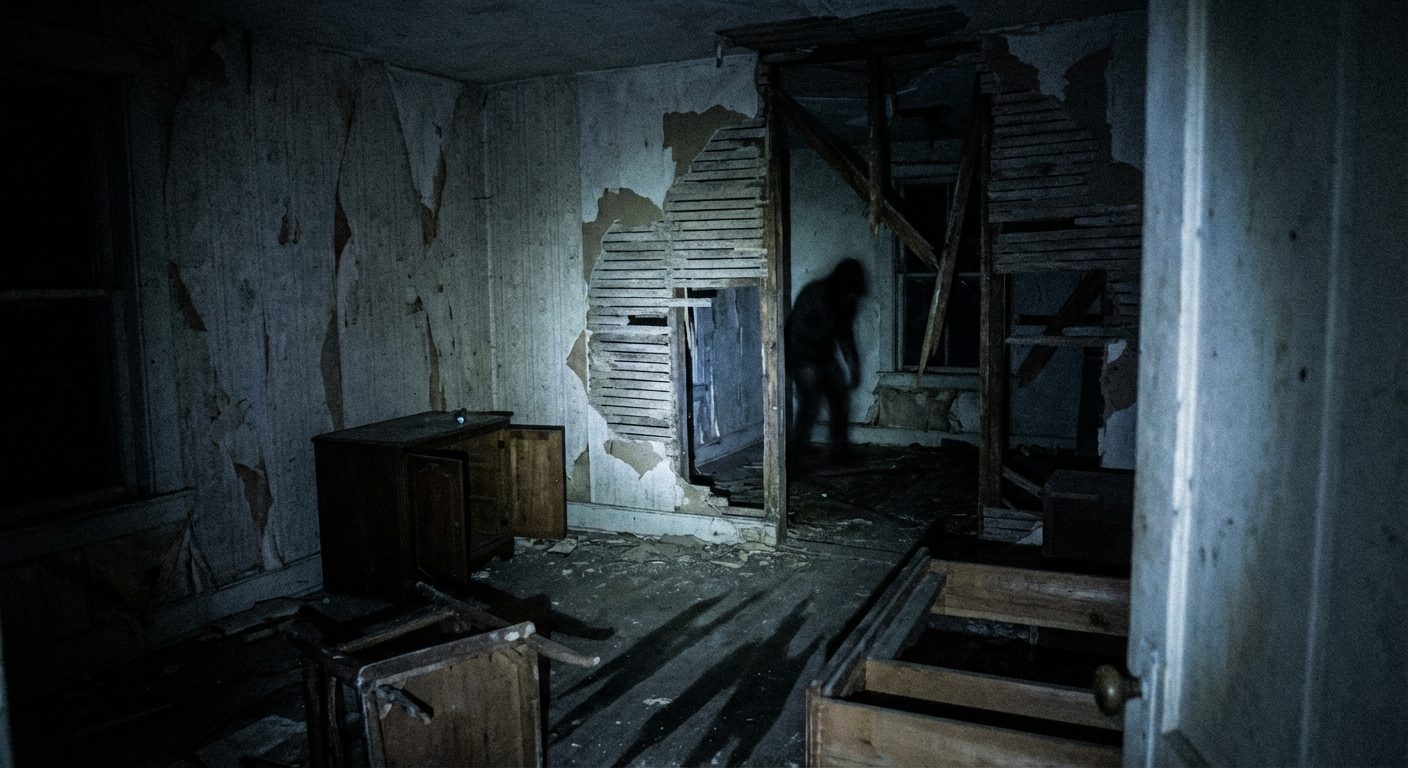
The Silent Destroyer Living in Your Home Right Now
Your house might be under attack. And you have no idea.
Most homeowners discover the problem only when it's too late—when walls start to crumble, when structural damage runs into thousands of dollars, or when a routine inspection reveals months of hidden devastation. By then, the tiny pest responsible has already colonized your home, multiplying in the darkness, consuming the very foundation you depend on.
The worst part? It's probably already here.
Why This Pest Remains Invisible
Unlike cockroaches or rodents that leave obvious signs, this particular invader operates with terrifying stealth. It thrives in the spaces you never see—inside walls, beneath floorboards, within the wood framing that holds your entire house together.
You won't hear it. You won't smell it. You won't even notice the damage until it becomes catastrophic.
Homeowners typically go 6 to 12 months without detecting any problem. During this window of ignorance, the infestation doesn't just persist—it explodes. A single colony can expand exponentially, creating multiple generations of destructive workers.
The Real Cost of Waiting
Here's what makes this situation genuinely alarming: the longer you wait, the exponentially higher your repair costs become.
A minor infestation caught early might cost $500-$1,500 to treat. But by month six or seven? You're looking at:
- Structural repairs: $3,000-$10,000+
- Wall replacement: $5,000-$15,000
- Foundation work: $10,000-$50,000+
- Potential home devaluation: 5-20% of your property value
Insurance rarely covers this type of damage. That means you're paying out of pocket—potentially for repairs you didn't even know you needed.
The Warning Signs You're Missing
The problem is that early detection requires vigilance most people simply don't practice. You need to know what you're looking for:
- Hollow-sounding wood when tapped (indicating internal tunneling)
- Mud tubes along foundation walls or wooden supports
- Discarded wings near light sources
- Frass (pest droppings) that resembles sawdust or coffee grounds
- Blistering paint or bubbling wood surfaces
But here's the catch: these signs are subtle. They're easy to miss. And by the time they become obvious, the damage is already severe.
Why Professional Detection Matters Now
This isn't a problem you can solve with DIY solutions or casual observation. The infestation is happening right now, in the walls of homes across the country, completely undetected.
The only reliable way to know if your home is affected is through a professional inspection—one that uses specialized equipment to detect activity behind walls, in crawl spaces, and in other hidden areas that your eyes simply cannot reach.
Time is genuinely working against you. Every week of delay allows the colony to grow larger, the damage to spread deeper, and your future repair costs to multiply.
The question isn't whether you'll deal with this problem. The question is whether you'll deal with it now—when it's manageable—or later, when it's financially devastating.