The Endless Battle: Why Your Pest Problem Keeps Coming Back
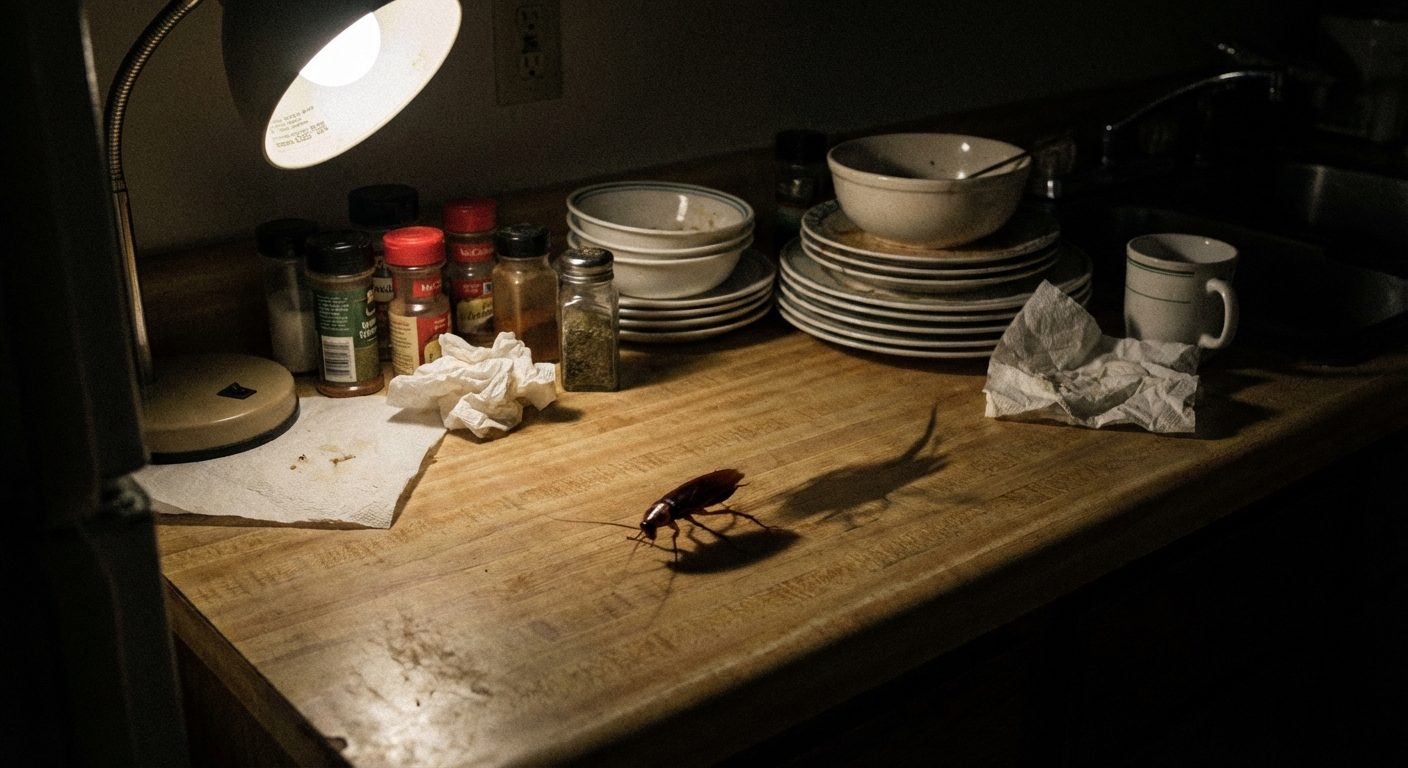
You've done everything right. The exterminator came. You cleaned. You sealed every crack you could find. Yet somehow, three weeks later, you spot that telltale sign again—a cockroach scurrying across your kitchen floor, or mosquitoes buzzing around your porch despite the expensive repellent you bought.
It's maddening. It's frustrating. And you're not alone.
This isn't a failure on your part. What you're experiencing is actually a well-documented phenomenon that pest control professionals have been trying to solve for decades. The truth is far more complex—and unsettling—than most people realize.
The Hidden Reason Pests Always Find Their Way Back
Incomplete Elimination: The Overlooked Truth
When you hire a pest control service, they typically target the visible population. But here's what most homeowners don't know: they're only addressing about 10-20% of the actual infestation.
The remaining pests are hiding in places you'd never think to look:
- Inside wall cavities where they breed undisturbed
- Behind appliances in microscopic gaps
- Under floorboards in spaces barely visible to the human eye
- In the attic or crawl spaces where treatments rarely penetrate
A single pregnant female cockroach can produce 200-300 offspring in her lifetime. If even one survives your treatment, you're back to square one within weeks.
The Reproduction Timeline Nobody Talks About
This is where it gets genuinely unsettling. Most pest treatments are designed to kill adult insects, but they often miss the eggs and pupae—the dormant life stages that are essentially invisible.
Here's the timeline that explains your recurring nightmare:
Week 1-2: You see results. The visible pests are gone.
Week 3-4: Eggs hatch. Young pests emerge from protected areas.
Week 5-6: You notice them again, wondering if the treatment even worked.
The pest control company fulfilled their contract. But the pests fulfilled their biological imperative.
External Reinfestation: The Neighbors' Problem Becomes Yours
Even if you somehow managed to eliminate every single pest in your home, you face an enemy you can't control: your neighbors.
Pests don't respect property lines. A single cockroach can travel 100+ feet in a single night. Rats can squeeze through holes the size of a dime and travel several blocks. Mosquitoes breed in standing water anywhere in your neighborhood—not just your yard.
This means:
- Your neighbor's untreated infestation becomes your problem
- Pests migrate seasonally, bringing new populations into your area
- One treatment in your home is like bailing out a boat while someone else pours water in
Without community-wide pest management, you're essentially playing whack-a-mole against an infinite supply of insects.
The Chemical Resistance Evolution
Here's something that keeps pest control experts awake at night: pests are getting smarter.
Over the past 20 years, many common pests have developed resistance to the chemicals used to kill them. This isn't science fiction—it's documented reality.
- German cockroaches have evolved resistance to pyrethroids (common insecticides)
- Mosquitoes in many regions now survive pesticides that worked 10 years ago
- Bed bugs have become nearly immune to several treatment classes
Each generation that survives treatment passes on genes for resistance. Your pest problem isn't just returning—it's returning stronger and harder to kill.
The Seasonal Migration Pattern Nobody Warns You About
Pests don't simply exist in your home year-round in equal numbers. They follow seasonal patterns that most homeowners don't understand.
Spring/Summer: Populations explode. Warm weather accelerates reproduction.
Fall: Pests seek shelter indoors before winter, causing a massive influx.
Winter: Some species go dormant, creating a false sense of security.
Late Winter: They emerge hungry and desperate, making them more visible and aggressive.
This is why you might treat your home successfully in summer, only to face an invasion in fall. It's not that your treatment failed—it's that an entirely new population is arriving.
What Actually Works (And Why Most People Don't Do It)
The pest control industry has a dirty secret: one-time treatments don't work. They never have.
What actually prevents recurring infestations requires:
- Quarterly or monthly treatments (not just one visit)
- Targeted treatment of hidden areas where pests breed
- Exclusion work: sealing every entry point (this is expensive and time-consuming)
- Environmental modification: removing food sources, water sources, and harborage areas
- Consistent monitoring to catch new infestations early
But here's the catch: this comprehensive approach costs significantly more than a single treatment. Many people opt for the cheaper option, then wonder why pests return.
The Psychological Toll: Why This Matters Beyond the Practical
There's something deeply unsettling about an enemy you can't seem to defeat. Pests represent:
- Loss of control in your own home
- Health and safety concerns for your family
- Financial frustration from repeated treatments
- Anxiety about what's hiding in the walls
The recurring nature of pest problems creates a cycle of hope and disappointment that affects your quality of life.
Breaking the Cycle: Your Action Plan
If you're tired of the endless battle, here's what actually works:
Immediate Actions
- Get a professional inspection to identify all entry points and hiding spots
- Demand a comprehensive treatment plan, not just a one-time spray
- Ask about follow-up visits included in the price
Long-term Solutions
- Seal your home properly (this prevents 80% of reinfestation)
- Eliminate food and water sources (pests need these to survive)
- Commit to quarterly treatments for at least one year
- Monitor actively so you catch new infestations before they explode
The Nuclear Option
If standard treatments aren't working, ask your pest control provider about:
- Heat treatments (kills all life stages)
- Integrated Pest Management (IPM) programs
- Professional-grade products not available to consumers
The Bottom Line
Your pests keep coming back because the problem is bigger than what you can see. It's not a personal failure. It's the reality of living in a world where pests have evolved, adapted, and optimized themselves to survive our attempts to eliminate them.
The good news? Understanding why they return is the first step to actually stopping them.
The bad news? There's no quick fix. But there is a solution—if you're willing to commit to a comprehensive, long-term approach.