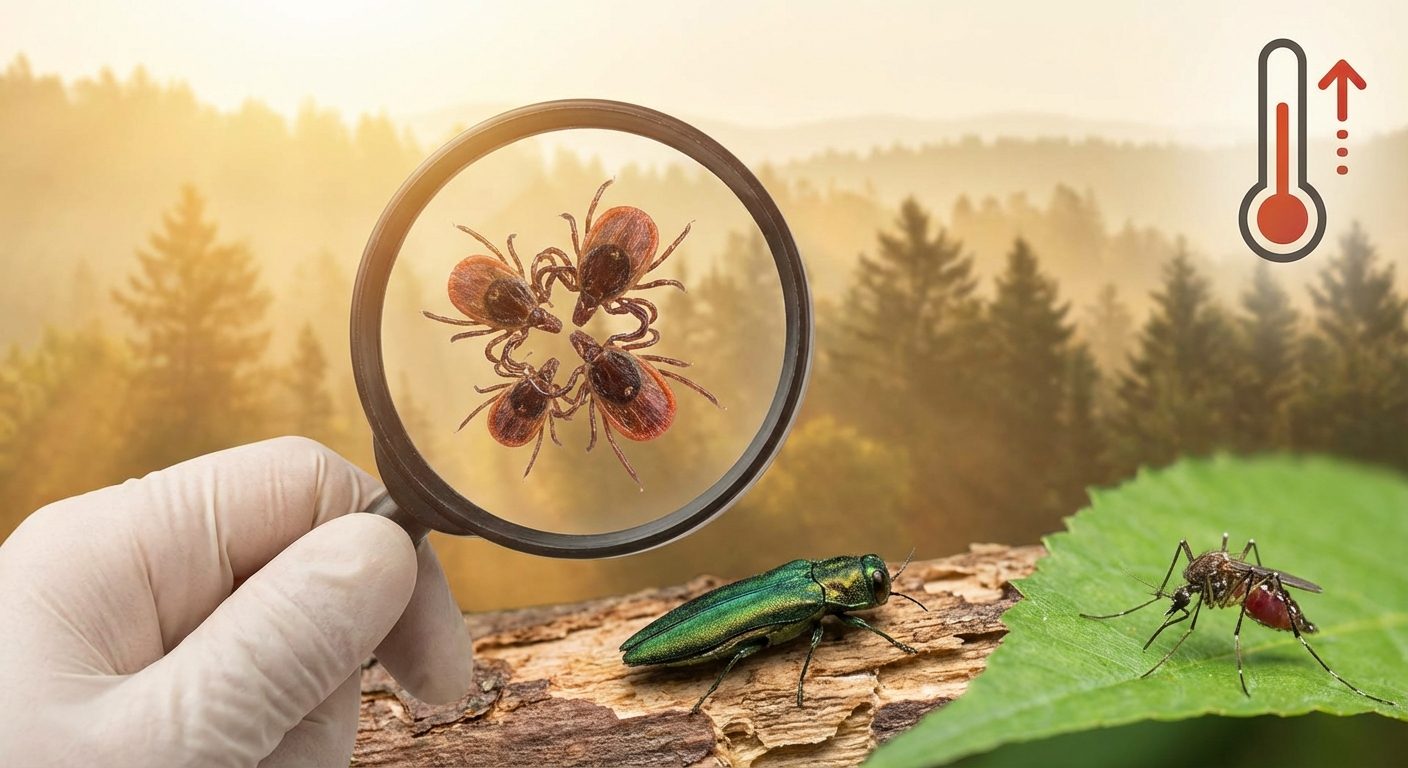
The Silent Invasion: How Canada's Changing Climate Is Reshaping Pest Patterns
The rustle in your garden isn't just the wind anymore. Across Canada, something unprecedented is unfolding—pests are behaving differently, arriving earlier, and spreading to regions where they've never been seen before. Farmers in British Columbia are battling insects that once belonged to warmer climates. Homeowners in Ontario are discovering invasive species in their basements during winters that used to be cold enough to kill them off naturally.
This isn't speculation. It's happening now, and the transformation is accelerating.
The Temperature Tipping Point
For decades, Canada's harsh winters served as nature's pest control system. Temperatures that plummeted to -30°C or below would eliminate most insect populations before spring arrived. But climate patterns are shifting, and the consequences are profound.
Recent data shows that Canada's average winter temperatures have risen by approximately 2.3°C over the past 70 years—nearly double the global average. This seemingly small change has created a domino effect that's rewriting the rules of pest management across the country.
The numbers tell a sobering story:
- Tick populations have expanded northward by up to 1,000 kilometers
- The Asian Lady Beetle, once confined to southern regions, now survives winters in prairie provinces
- Emerald Ash Borer populations are establishing themselves in areas previously considered safe
Pests on the Move: Species You Should Know About
The Tick Invasion Nobody Expected
Blacklegged ticks—the primary carriers of Lyme disease in Canada—were once limited to a handful of regions in southern Ontario and Quebec. Today, they're found in parts of Manitoba, Saskatchewan, and even as far north as some areas of British Columbia.
The danger escalates when you consider that Lyme disease cases in Canada have tripled in the past decade. Hikers, outdoor workers, and families enjoying nature face an invisible threat that didn't exist in their region just years ago.
Emerald Ash Borer: The Tree Killer Nobody Can Stop
This metallic green beetle has already destroyed millions of ash trees across North America. What makes it particularly alarming? Warmer winters mean it's now surviving in regions it previously couldn't. A single ash tree can support thousands of these beetles, and once they arrive, eradication becomes nearly impossible.
The Mosquito Problem That's Getting Worse
Longer warm seasons mean extended breeding periods. Mosquitoes that once had a 3-4 month window for reproduction now have 5-6 months or more. Some species are even surviving mild winters in urban areas, overwintering in storm drains and heated buildings.
What This Means for Your Community
The implications ripple far beyond your backyard. Agricultural losses are mounting. Crop damage from pests is projected to increase by 10-25% in many Canadian regions by 2050. Maple syrup production—one of Canada's iconic industries—faces threats from pests that thrive in warmer conditions.
But the agricultural sector isn't alone. Public health officials are scrambling to update disease surveillance systems. Pest control companies are adapting their strategies. Homeowners are investing more in preventative measures.
Here's what makes this particularly unsettling: We're not just dealing with more of the same pests. We're dealing with a completely different pest ecosystem—one that we're still learning to understand.
The Adaptation Lag: Why We're Behind
Nature adapts quickly, but human systems don't. Pest management protocols that worked for decades are becoming obsolete. Farmers trained in traditional pest control strategies are discovering that their knowledge is incomplete. Municipalities are racing to update bylaws and public health guidelines.
The real challenge? We can't predict exactly which pests will thrive in which regions. Climate models help, but local conditions—humidity, vegetation, urban heat islands—create microclimates where unexpected species suddenly flourish.
What Experts Are Watching Most Closely
Researchers across Canadian universities are monitoring several "tipping points" where pest dynamics could shift dramatically:
- The Prairie Transition Zone: If average temperatures continue rising, major agricultural pest populations from the US could establish permanent populations in Saskatchewan and Alberta
- Coastal British Columbia: Milder winters are already allowing previously tropical pests to survive, creating a gateway effect for other invasive species
- The Boreal Forest: Warmer conditions are stressing trees, making them more vulnerable to insect infestations that can trigger massive forest die-offs
What You Can Do Right Now
While the situation sounds dire, there are concrete actions that reduce risk:
For Homeowners:
- Inspect your property for standing water (mosquito breeding grounds)
- Check yourself and pets for ticks after outdoor activities, especially April through October
- Remove dead ash trees from your property before emerald ash borers can use them as breeding sites
- Seal cracks and crevices where pests overwinter
For Communities:
- Support local mosquito and tick monitoring programs
- Advocate for climate-resilient landscaping in public spaces
- Report unusual pest activity to provincial agricultural or health authorities
For Gardeners:
- Choose native plants that are naturally resistant to emerging pests
- Avoid importing plants from warmer regions that could harbor invasive species
- Create habitat for natural pest predators
The Uncomfortable Truth
Here's what keeps pest management experts awake at night: we're still in the early stages of this transformation. The full impact of climate shifts on pest behavior won't be apparent for another 10-20 years. By then, some ecosystems may have already tipped into new configurations that are difficult or impossible to reverse.
Canada's pest landscape in 2035 will likely look dramatically different from today. The question isn't whether change is coming—it's whether we'll adapt fast enough to manage it.
The silent invasion continues, one warmer winter at a time. And unlike previous pest challenges, this one is being driven by a force that extends far beyond any single region or industry.